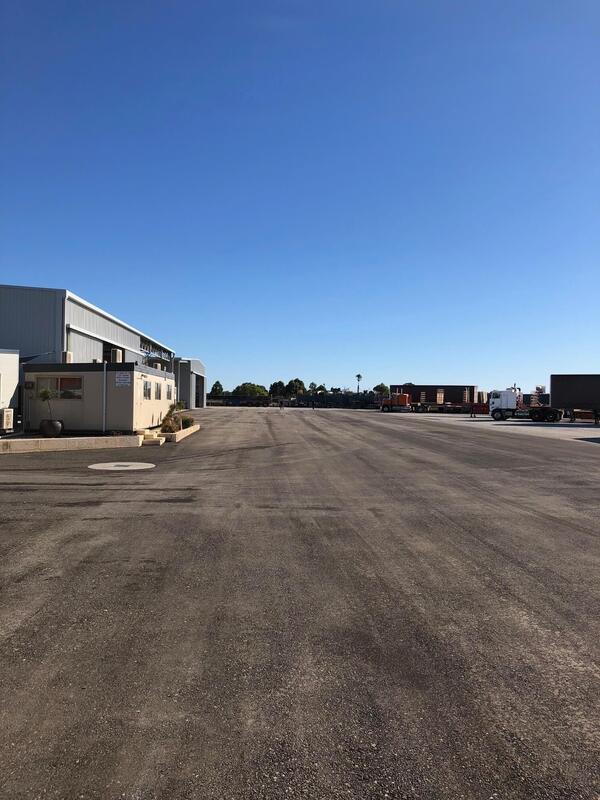
Hardstand surfaces are designed to support heavy loads, frequent vehicle movement, and demanding operational use. Over time, even well-constructed hardstands can begin to show signs of stress. In Toowoomba, local traffic conditions, weather exposure, and ongoing use can accelerate wear if early warning signs are overlooked.
At Toowoomba Asphalt & Bitumen Surfacing, identifying surface failure early is key to preventing more extensive damage and maintaining safe, reliable hardstand areas.
Visible Cracking Across the Surface
Cracking is often one of the first indicators that a hardstand surface is under stress. Hairline cracks may appear minor, but they allow moisture to penetrate the pavement layers below.
As traffic continues to pass over these weakened areas, cracks can widen and link together, reducing the surface’s ability to distribute loads evenly. Early intervention at this stage can prevent deeper structural problems from developing.
Rutting and Surface Deformation
Hardstands are exposed to repeated heavy loads, which can lead to rutting if the surface or base layers are compromised. Visible wheel paths, depressions, or uneven areas suggest the pavement is no longer supporting loads as intended.
Rutting not only affects surface performance but can also create drainage issues, increasing the risk of water-related damage.
Pooling Water After Rain
Effective drainage is essential for hardstand durability. If water begins to pool on the surface rather than run off, it may indicate surface deformation, blocked drainage paths, or loss of correct levels.
Standing water accelerates pavement deterioration by softening underlying layers and increasing the likelihood of cracking and surface breakdown.
Fretting and Surface Material Loss
Fretting occurs when the surface begins to lose fine material, leaving a rough or uneven texture. This often indicates binder ageing or inadequate surface cohesion.
As fretting progresses, the surface becomes more vulnerable to moisture ingress and load stress, increasing the rate of deterioration.
Edge Breakdown and Spreading Damage
Failing hardstands often show damage at the edges, where support may be reduced. Crumbling edges, cracking, or spreading defects can signal base instability or insufficient load distribution.
Once edge damage begins, deterioration can quickly move inward, affecting larger areas of the hardstand.
Reduced Load-Bearing Performance
Operational changes may highlight hardstand failure before visible damage becomes severe. Increased surface movement under load, reduced traction, or difficulty supporting equipment can all indicate underlying issues.
These performance changes should be assessed promptly to avoid safety risks and operational disruption.
The Importance of Professional Assessment
Not all surface defects mean full replacement is required. Some issues can be addressed through targeted repairs, resurfacing, or strengthening treatments if identified early.
Toowoomba Asphalt & Bitumen Surfacing takes a structured approach to assessing hardstand conditions, identifying the root causes of failure and recommending solutions that restore performance and extend surface life.
Conclusion
Recognising the signs of hardstand surface failure allows problems to be addressed before they escalate into major structural issues. Cracking, rutting, water pooling, surface wear, and edge damage all indicate that attention is needed to maintain safety and functionality.
If your hardstand in Toowoomba is showing signs of deterioration, Toowoomba Asphalt & Bitumen Surfacing can provide expert evaluation and professional solutions tailored to your site. Contact our team to discuss how early intervention can protect your hardstand and support long-term performance.
Call us on: 07 5241 4500
Click here to find out more about Toowoomba Asphalt & Bitumen Surfacing
Click here to complete our contact form and see how we can help with your Asphalt and Bitumen Surfacing needs.